Sober for a Month
Halfway through Sober October, with the first of November already circled on the calendar. A clinician's reading.
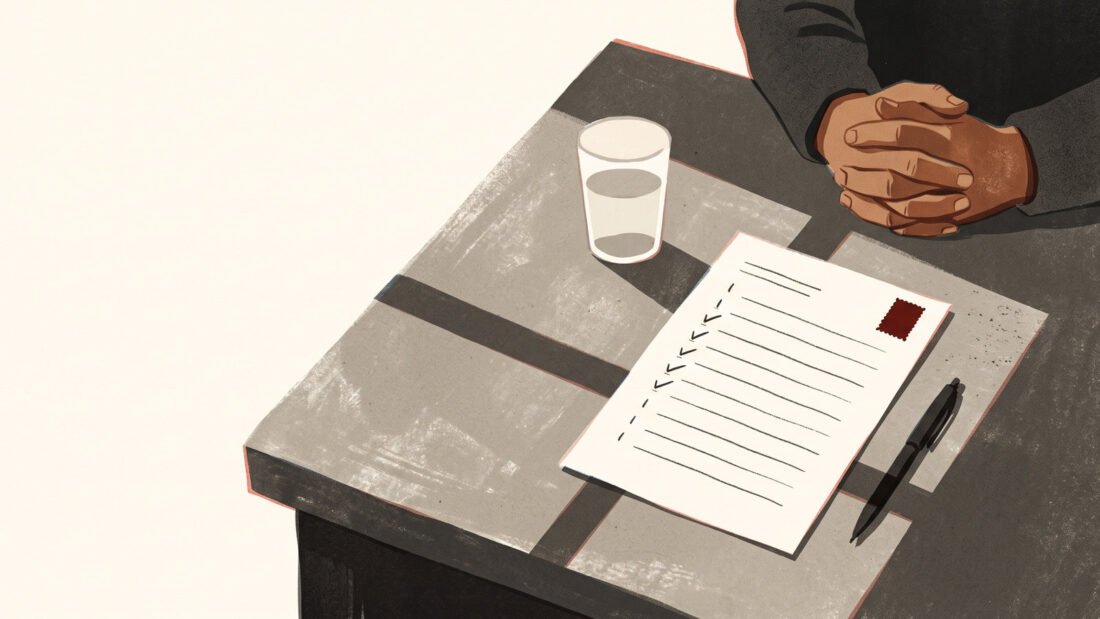
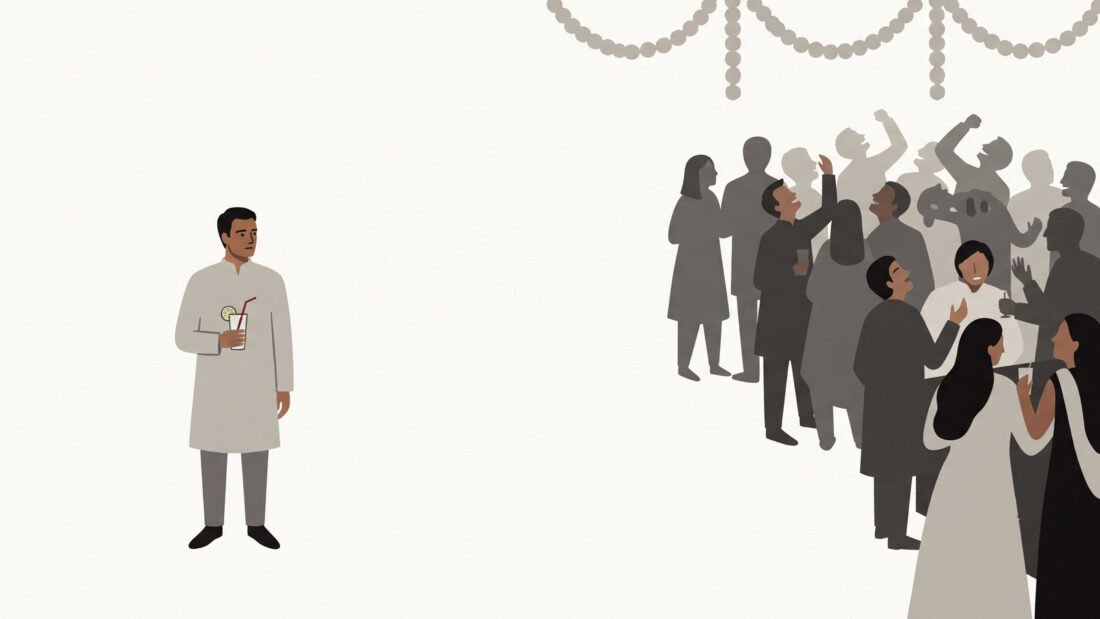
Recovery · · 5 min readToday is the seventeenth, and in every office in the city there is a man who has not had a drink since the thirtieth of September and would like it known. He is sleeping better. He has lost a kilo. He has found, with the wonder of the convert, that a Friday evening can be got through on lime soda. He intends, he says, to carry on like this, more or less, when the month is out.
Sober October began in Australia and came to Britain as a cancer charity’s fundraiser in 2013, and has become, like its cousin Dry January, a habit of the world: a month off the drink, sponsored or not, posted about or not, taken on by millions. In Indian cities it arrived with the rest of the wellness calendar and sits now in October beside the Navaratri fasts, with which it has more in common than its organisers would like.
It is a good thing. That should be said before the rest. The best research on these months is Richard de Visser’s at Sussex, who has followed Dry January participants for over a decade, and his findings do not move about. Many people who try the month finish it. Those who do sleep better, have more energy, lose a little weight and, most usefully, come out with a firmer belief that they can turn a drink down when it is held out to them. Six months on they drink somewhat less than before. In a survey published in 2019, drinking days by August had gone from about four a week to about three. The month does not rebound into a binge, as the sceptics said it would. It leaves most people slightly better off.
So what does it prove? This is where the man in the office and the clinician part company.
He believes it proves he does not have a problem. He stopped for a month, cleanly, without much trouble, and a person with a problem could not have.
It proves nothing of the kind. Stopping for a set period, with a start date, an end date, a public announcement and a sponsorship page, is the easiest form of not drinking there is. It has a finish line. Every heavy drinker in the country has done it: for Shravan, for Lent, for the liver test, for the three weeks before the wedding. The mind bears a known absence far better than an open one, because it has a date on which the thing comes back. What the month proves is that one can abstain when the abstinence is temporary. That is an interesting fact about willpower and a nearly useless one about dependence.
The telling data arrive on the first of November, and the question that reads them is what was it like.
For most people the answer, after the first week, is: not much. The evenings were a little flat. The weekend ran a little long. They noticed, the way one notices a missing tooth, and then stopped noticing. For them the month was what it was sold as, a service to the body, and the glass they pour on the first of November is a smaller one than they used to.
For some the answer is different, and they know it, whether or not they say it. The month was a daily negotiation. The thirty-first has been circled since the second. The first drink is already arranged, where and what and with whom, and has been looked forward to with a force out of all proportion to a glass of anything. These people have learned something real from the month, and it is not that they are fine. It is that the absence of the drink took up as much room in their heads as the drink had.
There is a third group, the smallest, and the one a clinician watches for. For a person who is physically dependent, stopping at midnight on the thirtieth of September is a medical event, whatever the sponsorship page calls it. Shaking hands, sweats, a racing heart, a night or two of frightening sleep, and in the worst cases seizures or delirium tremens. Anyone who felt the first of these on the first of October was given an answer by the month, and it was not the one the month is meant to give.
A note on stopping. If a person drinks heavily every day, stopping without medical advice can be dangerous. Shaking, sweating or a racing heart in the first days off alcohol need a doctor that day. Confusion, seeing or hearing things that are not there, or a fit needs emergency care at once.
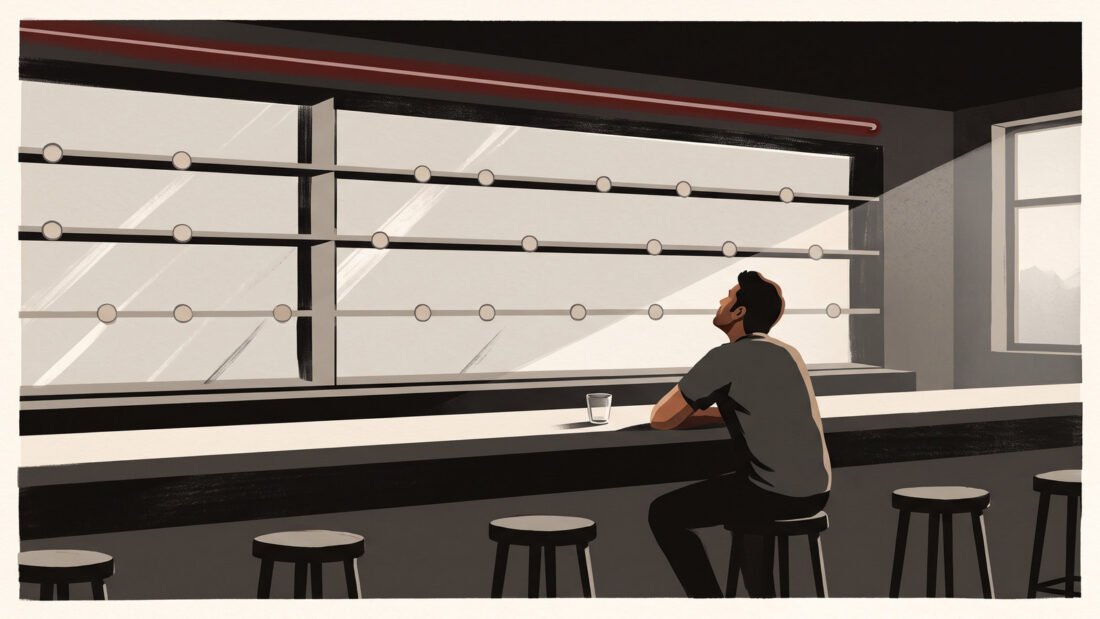
The man in the office is on day seventeen with his lime soda, and the month will be kind to him, as it is to most. The test comes on the evening of the first of November, when the usual bar has the usual table, and the glass arrives, and what is in his face as it does: the ordinary pleasure of a man having a drink, or the particular relief of one who has been holding his breath.
Nobody at the table will be able to tell. He will.
Sources
- de Visser, R. O., Robinson, E. and Bond, R. (2016). “Voluntary temporary abstinence from alcohol during ‘Dry January’ and subsequent alcohol use.” Health Psychology, 35(3), 281 to 289.
- University of Sussex (2 January 2019). “How ‘Dry January’ is the secret to better sleep, saving money and losing weight.”
- de Visser, R. O. and Piper, R. (2020). “Short- and longer-term benefits of temporary alcohol abstinence during ‘Dry January’ are not also observed among adult drinkers in the general population: prospective cohort study.” Alcohol and Alcoholism, 55(4), 433 to 438.
- Macmillan Cancer Support, Go Sober for October.
The letter
One letter with each new piece. Nothing else, and your address goes nowhere.
We send one confirmation email. You are not on the list until you click it.