The Waiting Room
Four people are waiting to see a psychiatrist, and three of them are here on behalf of somebody else.
The Written Life · · 3 min readThe clinic is on the second floor, above a bakery, so that the waiting room smells permanently and absurdly of butter. There is a brass plate at street level with the doctor’s name and a run of letters after it. It does not say what kind of doctor. People who need to know, know.
Tuesday, six in the evening. Four chairs taken out of nine. A fish tank with one fish. Magazines from 2019.
The man in the corner is here to collect a prescription for his father. He said so to the receptionist, at some length, on arrival, though she had asked only for his name. He is wearing the sort of watch that is supposed to make explanations unnecessary. He has been to this clinic eleven times, and his father lives in Kanpur, and has never been depressed a day in his life. The man sits with one ankle on his knee, scrolling through work email, replying to none of it, in the posture of someone being kept waiting by a vendor.
The girl by the window is waiting for a friend. There is a tote bag on the next chair, to show where the friend will sit. She is twenty-three. She has put in earphones without any music, which she finds is the best way to be left alone, and she is reading the same Instagram caption over and over, and she has worn a full-sleeved kurta on a warm day.
The woman nearest the door has kept her dark glasses on. Kanjeevaram, a good one, diamonds in her ears, handbag upright on her knees like a small dog. She has not given the receptionist any story at all; women of her sort are not asked. She chose the chair nearest the door forty minutes ago, so as to be first out, and has since understood her mistake, which is that everyone who comes in has to look at her first.
And the door opens, and it is a boy in a delivery company’s red T-shirt, helmet under his arm. All three of them relax slightly. A parcel. Normal life, coming up the stairs.
He goes to the desk.
“Manjunath,” he says, not loudly, not quietly. “Six-fifteen, with sir. Depression follow-up. Shall I pay now or after?”
Nobody moves. The fish turns round. The boy pays, by phone, holds it up to show the green tick, and sits down in the middle of the row with his helmet on his lap and his knees apart. He looks about him with the mild interest of someone in a barber’s shop. He nods at the man with the watch, who finds something urgent in his email.
It is then, because she has looked up, that the woman in the dark glasses sees the man in the corner properly, and he, looking away from the boy, sees her.
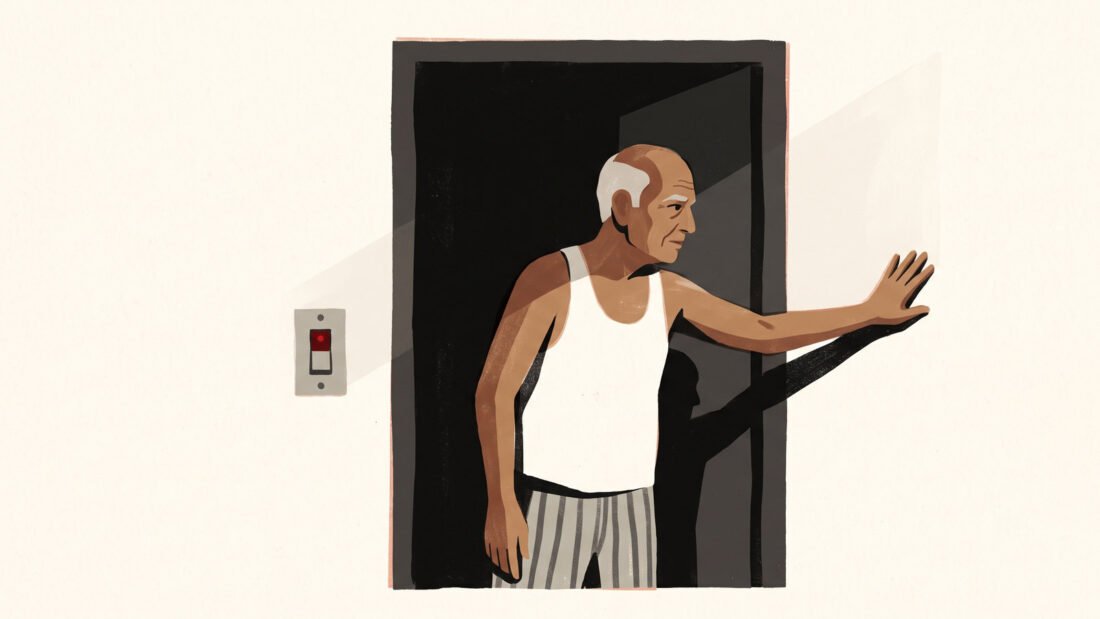
Flat 4B. Flat 7A. Eleven years in the same building in Defence Colony. His wife and she are on the festival committee together. He signed her husband’s petition about the generator. They have stood side by side in that lift, by a reasonable estimate, two thousand times.
It takes about a second. Nothing crosses either face. His eyes go back to his phone and hers to the fish. In that second a treaty has been drafted, agreed and signed, its terms perfectly understood on both sides and never to be spoken of. Neither of them was here. It is the most honest exchange they have ever had.
“Manjunath?” says the receptionist. “Doctor will see you.”
The boy gets up, tucks his helmet under his arm, and goes in, leaving the door a little open behind him, the way people do who have nothing in particular to hide.
On Thursday morning, in the lift, the man from 7A will say that the water tanker has been coming late again, and the woman from 4B will agree that it is really too bad.
The letter
One letter with each new piece. Nothing else, and your address goes nowhere.
We send one confirmation email. You are not on the list until you click it.