Always Free to Talk
One in seven young adults in a relationship also keeps a romantic chatbot. Whether it counts as cheating is the less interesting question.
Relationships · · 3 min readIn May, two American research institutes published a survey of some 2,400 adults between eighteen and thirty, all of them dating, engaged or married. One in seven said they regularly talk to an AI chatbot that plays the part of a romantic partner. Another fifth or more had tried it. Among the regular users, over half hide at least some of it from the person they are with, and more than two thirds said it mattered to them that their partner never learn the full extent.
The public argument since has been about one word. Is it cheating? The survey’s authors called the report Secret Soulmates, which suggests where they lean. The users say it is closer to reading a novel. There is no other person, so there can be no betrayal.
Both sides are arguing about the wrong feature. What matters about the chatbot is what it offers, which is attention without negotiation.
Consider what it is like. It is awake at two in the morning. It has had no day of its own. It does not have a mother, a deadline, a headache, a view about your friends, or a need to be asked how it is. It remembers what you told it and brings it up tenderly. It finds you interesting at a steady, tireless level. Whatever you give, it meets; whatever you withhold, it does not notice. Nothing is ever owed.
It has had no day of its own. Nothing is ever owed.
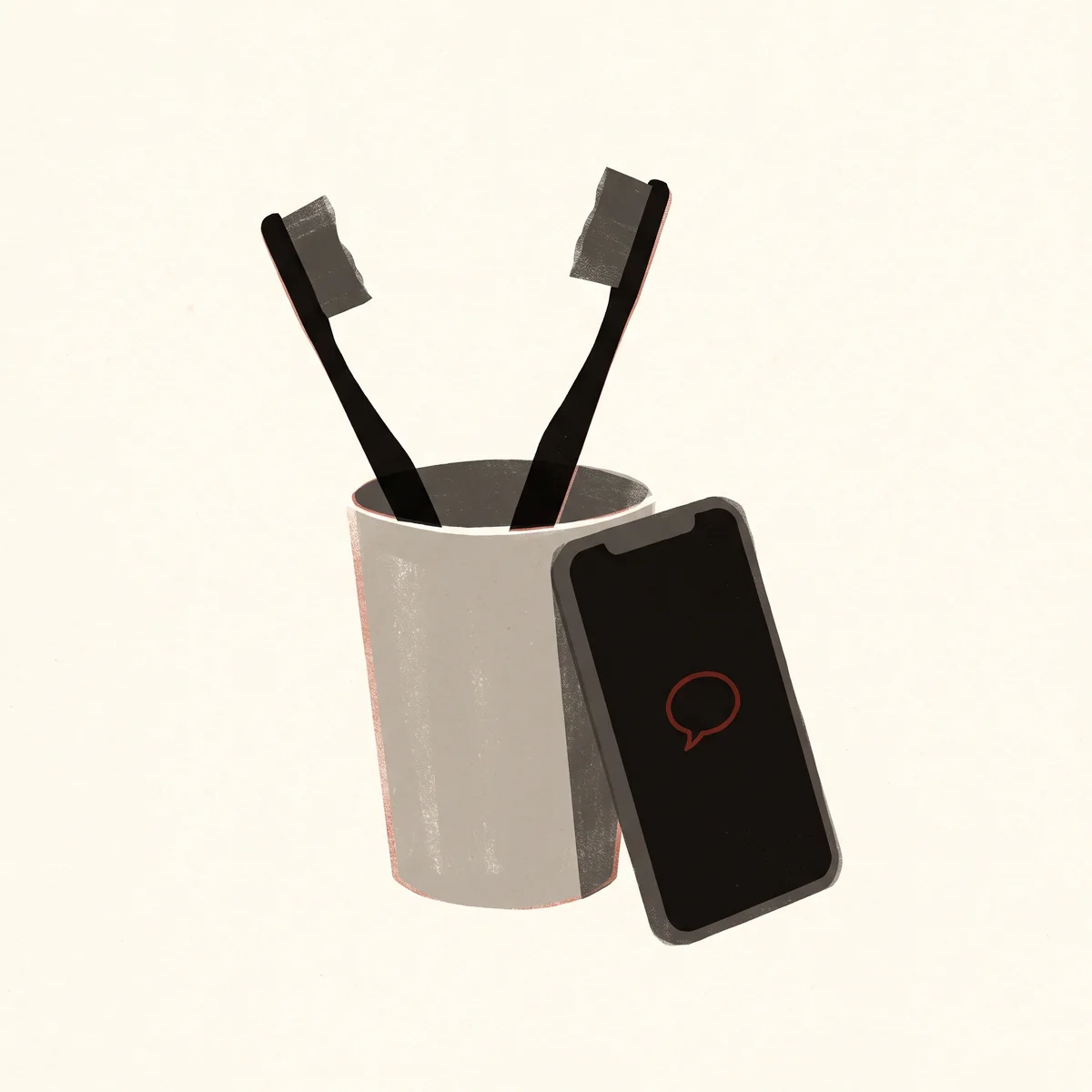
A human partner, by comparison, is hard work, and the work is the relationship. Living with another person means being regularly confronted with a mind that is not about you: tired when you are lively, hurt by something you thought was nothing, wanting the window shut. Most of what is called intimacy is the slow, unglamorous skill of accommodating that, and being accommodated. It is learned by repetition and it fades without it.
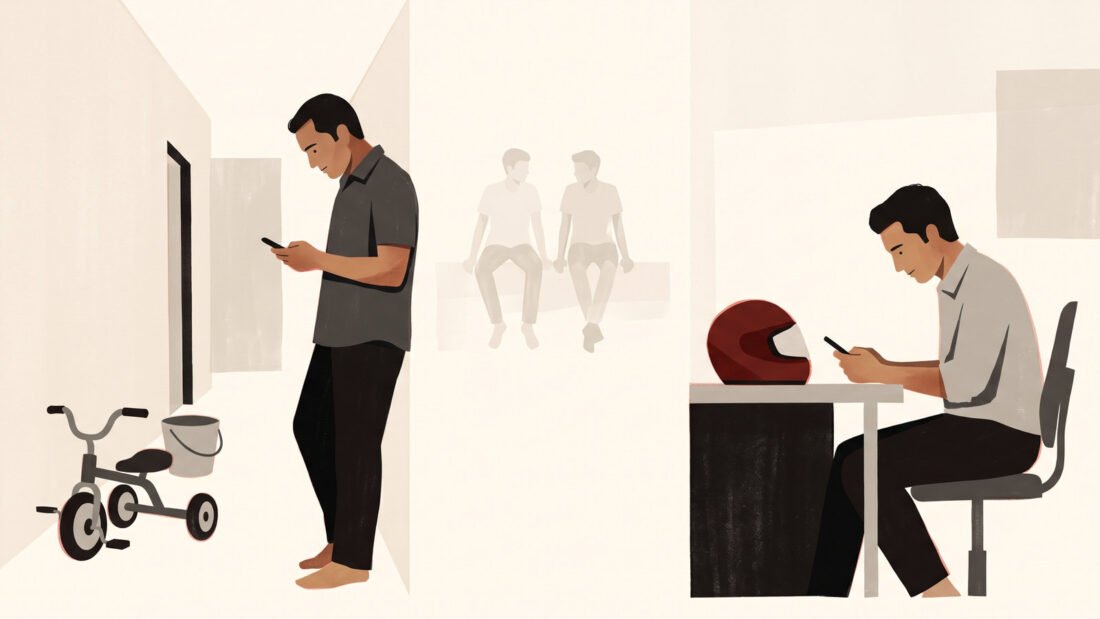
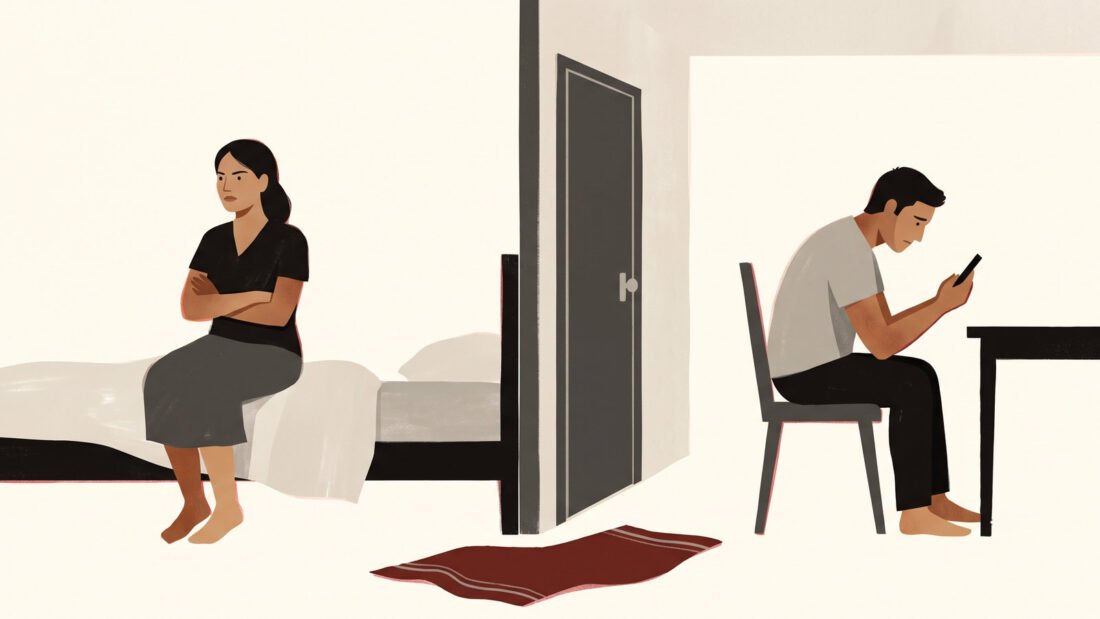
Someone who spends an hour every night being perfectly understood is practising something. They are practising being the only person in the room. It should surprise nobody if the real person in the next room, with moods and a bad day of their own, begins to seem unreasonably demanding by comparison. That person is no more demanding than before. The standard has moved.
Two cautions. The survey found that regular users reported shakier relationships and worse communication, and its authors are careful to say they cannot tell which came first. People in lonely partnerships may go looking for a machine that listens; the machine need not have caused the loneliness. And this is one American sample. Nobody has counted in India, though the apps are the same ones, and the country has never been short of marriages in which two people stopped confiding in each other a long time ago.
That last point may be the uncomfortable one. For a good many of these users, the chatbot did not replace a conversation. It filled a silence that was already there. The secret is not that they are talking to software. It is how long it had been since anyone asked.
Sources
- Willoughby, B. J., Carroll, J. S., Toscano, M. and others, Secret Soulmates: How AI Romantic Companions Are Impacting Real-Life Romantic Relationships in Young Adulthood. Wheatley Institute, Brigham Young University, and Institute for Family Studies, 19 May 2026. https://wheatley.byu.edu/secret-soulmates-ai-romantic-companions-and-real-life-relationships
- “AI chatbots and digital companions are reshaping emotional connection.” Monitor on Psychology, American Psychological Association, January/February 2026. https://www.apa.org/monitor/2026/01-02/trends-digital-ai-relationships-emotional-connection
The letter
One letter with each new piece. Nothing else, and your address goes nowhere.
We send one confirmation email. You are not on the list until you click it.


Replies
Nothing here yet.
Replies are for subscribers, signed in.
Sign inNot a subscriber yet?